When it comes to straightening teeth and achieving a confident smile, metal braces remain one of the most trusted and effective orthodontic treatments available. Although newer options like clear aligners and ceramic braces receive a lot of attention, traditional braces continue to be a top choice for patients of all ages—and for good reasons.
In this article, we’ll explore what metal braces are, how they work, the benefits they offer, what to expect during treatment, and tips for care. Whether you’re considering braces for yourself or your child, this guide will help you understand why traditional braces are still a gold standard in orthodontics.
What Are Metal Braces?
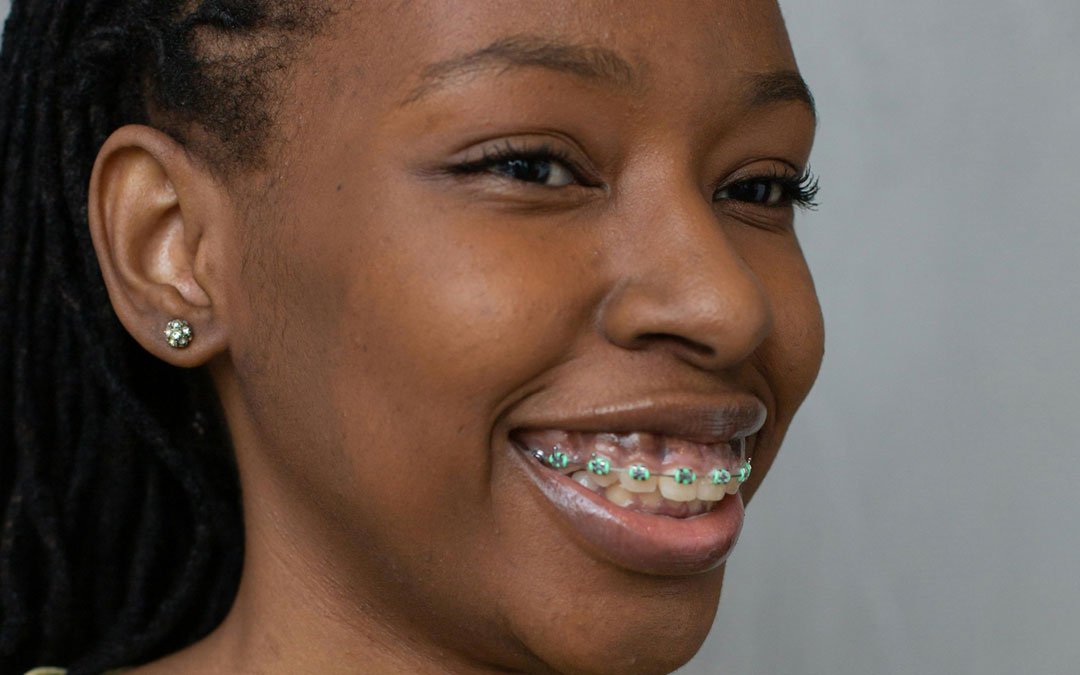
Metal braces (also known as traditional braces or wire braces) are orthodontic devices made of high-grade stainless steel that gradually move your teeth into their ideal positions. They consist of several components:
- Metal brackets – small square pieces bonded to the front of each tooth
- Archwires – thin metal wires that connect the brackets and guide tooth movement
- Ligatures – tiny elastics or metal ties that hold the archwire in place
- Bands and spacers – used in some cases to anchor the braces on the back teeth
Together, these components apply gentle, continuous pressure to shift teeth over time, correcting problems like crowding, spacing, overbites, underbites, and crossbites.
How Do Metal Braces Work?
Metal braces work through a straightforward but highly effective process:
- Initial Placement: Brackets are bonded to teeth and connected with an archwire.
- Controlled Force: The archwire exerts steady pressure on the teeth, encouraging movement.
- Regular Adjustments: During follow-up visits (usually every 4–8 weeks), your orthodontist adjusts the wire tension to keep teeth progressing.
- Completion Phase: Once teeth are aligned, braces are removed and retainers are provided to maintain the results.
This treatment process typically takes 12 to 36 months, depending on the severity of misalignment.
Why Choose Metal Braces?
Despite the rise of clear aligners, traditional wire braces remain a popular choice for good reasons:
- Time-Tested and Reliable: Metal braces have been used for decades and offer predictable, consistent results—especially for complex orthodontic cases.
- Effective for All Ages: Whether you’re a teen or an adult, metal braces can correct a wide range of alignment issues.
- Ideal for Complex Cases: For significant crowding, bite issues, or rotated teeth, metal braces often outperform removable aligners.
- Customizable and Fun: Many patients enjoy choosing colored ligatures—especially kids and teens. Braces can even be personalized to reflect school colors or holidays!
- Cost-Effective: Compared with some alternative orthodontic treatments, metal braces are often more affordable while still delivering excellent outcomes.
What to Expect During Treatment
Getting metal braces isn’t just about the end result—it’s also a journey. Here’s what to expect:
The First Appointment
Your orthodontist will clean your teeth, apply a special adhesive, and bond the brackets. The archwire is then placed, and you’ll walk out with your new braces!
Initial Adjustment Period
It’s common to feel some soreness for the first few days as your mouth gets used to the braces. Over-the-counter pain relief and orthodontic wax can help.
Follow-Up Visits
Every 4–8 weeks, you’ll return for adjustments. These visits are essential to keeping your treatment on track.
Eating with Braces
Certain foods can damage braces, so it’s best to avoid sticky, hard, or chewy items like caramel, popcorn, and hard candies.
Caring for Your Metal Braces
Proper care during orthodontic treatment ensures faster progress and fewer complications.
- Brush After Every Meal: Food particles can get stuck in brackets and wires. Brush thoroughly using a soft-bristle toothbrush or an orthodontic brush.
- Floss Daily: Flossing with braces can be tricky, but using a floss threader or water flosser makes it easier.
- Be Mindful of What You Eat: Avoid biting directly into hard fruits (like apples) or crunchy snacks. Cut food into bite-sized pieces instead.
- Wear a Mouthguard for Sports: If you play contact sports, a mouthguard protects both your braces and your teeth.
Common Myths About Metal Braces
There’s a lot of misinformation out there! Let’s debunk some common myths:
Myth #1: Metal braces are painful.
→ Most people feel mild discomfort at first or after adjustments, but it’s manageable and temporary.
Myth #2: Only teens get braces.
→ Adults of all ages can benefit from orthodontic treatment—and many choose metal braces for their reliability.
Myth #3: You can’t play instruments or sports.
→ With proper care and the right protective gear, braces don’t limit your activities.
After Braces: Retention and Long-Term Results
Once your braces come off, your orthodontist will provide a retainer. Wearing it as directed helps keep your teeth in their new positions. Retainers can be removable or fixed, based on your treatment plan.
Long-term success depends on consistent retainer use and good oral hygiene.
Are Metal Braces Right for You?
If you’re considering orthodontic treatment, metal braces are a proven choice that delivers real, lasting results. They’re effective across age groups, suitable for many kinds of bite and alignment issues, and often more cost-effective than other options.
At Cleveland Dental Institute, our team works with each patient to create a comfortable, customized treatment plan. We’ll explain what to expect every step of the way and help you achieve the healthy, beautiful smile you deserve.